
Braces for Kids, Teens & Adults
Precision Orthodontics: Medical Blueprints
Types of Braces
At Vivid Smiles Orthodontics, we offer several advanced paths to a healthier smile. Today's orthodontic advancements mean that wearing traditional braces are sleeker, lighter, and more comfortable than ever before. We work closely with you to map out structural paths designed for your clinical goals.
Traditional Metal Braces
Metal systems remain the absolute golden standard for addressing severe structural crowding or complex bite balances. Utilizing specialized, ultra-durable stainless steel alloys, modern brackets feature low profiles that limit inner lip abrasion.
Why Choose Metal Braces?
- Unmatched operational durability over long cycles
- Highly efficient paths for critical structural updates
- Cost-effective configuration for families

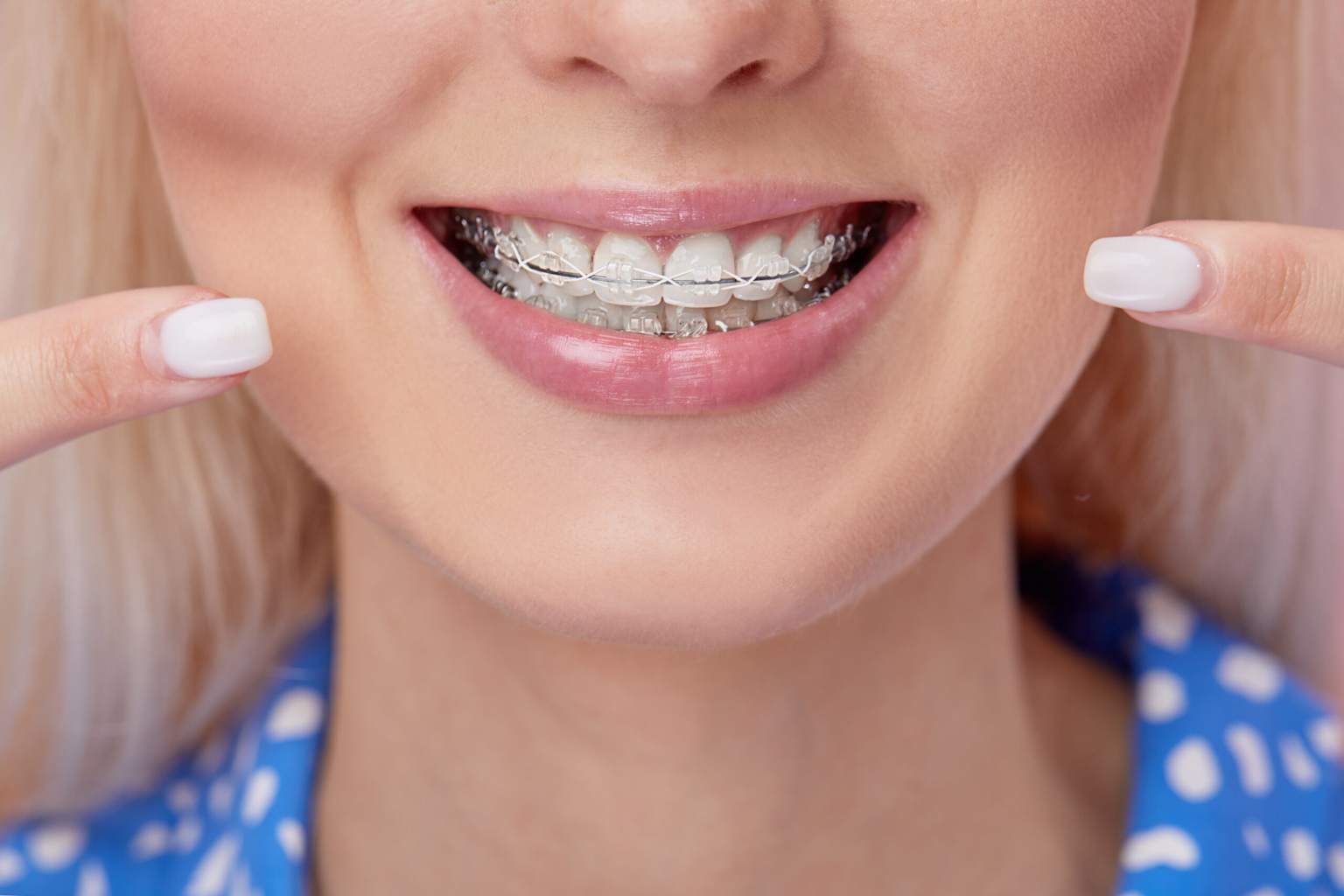
Clear Ceramic Braces
For individuals wanting effective orthodontic force but looking to mitigate high-visibility metallic frames, ceramic options provide structural matches to your natural tooth enamel. They offer exceptional visual discretion during high-profile work activities or daily social encounters.
Benefits of Ceramic Braces
The translucent or tooth-colored composite compounds are fully optimized to handle standard alignment tensions without shattering or chipping under standard chewing impacts, combining discretion with robust reliability.
Which Type of Braces Is Right for You?
Your individual treatment choice stems from precise diagnostic imaging, financial scope, and cosmetic preferences. Our medical staff creates targeted architectural maps to verify which bracket dynamic matches your long-term smile goals perfectly.
Damon Braces
Self-ligating Damon braces swap out standard elastic ties for passive slide mechanisms that secure wires naturally. This structural approach lessens friction profiles against changing arches and supports faster adjustments with fewer maintenance appointments.
Why Choose Damon Braces?
- •
Faster Treatment: Slide tech helps slide adjustments along smoothly, accelerating overall schedules.
- •
Lower Friction Profile: Eliminating bands results in gentle forces and improved everyday wear comfort.
- •
Easier Sanitation Flow: Without bands to collect particles, keeping your enamel clean and healthy is simplified.
Braces for Kids
Early phase checks allow our doctors to assess jaw growth trends before secondary molar sets arrive. Strategic early intervention can guide jaw alignment smoothly and create a balanced path for secondary adult arches.
Kid-Friendly Braces Options
- Colorful band customizing options to add a fun element
- Protective smooth backings tailored to prevent cheek irritation
- Interceptive space frameworks to assist changing arches
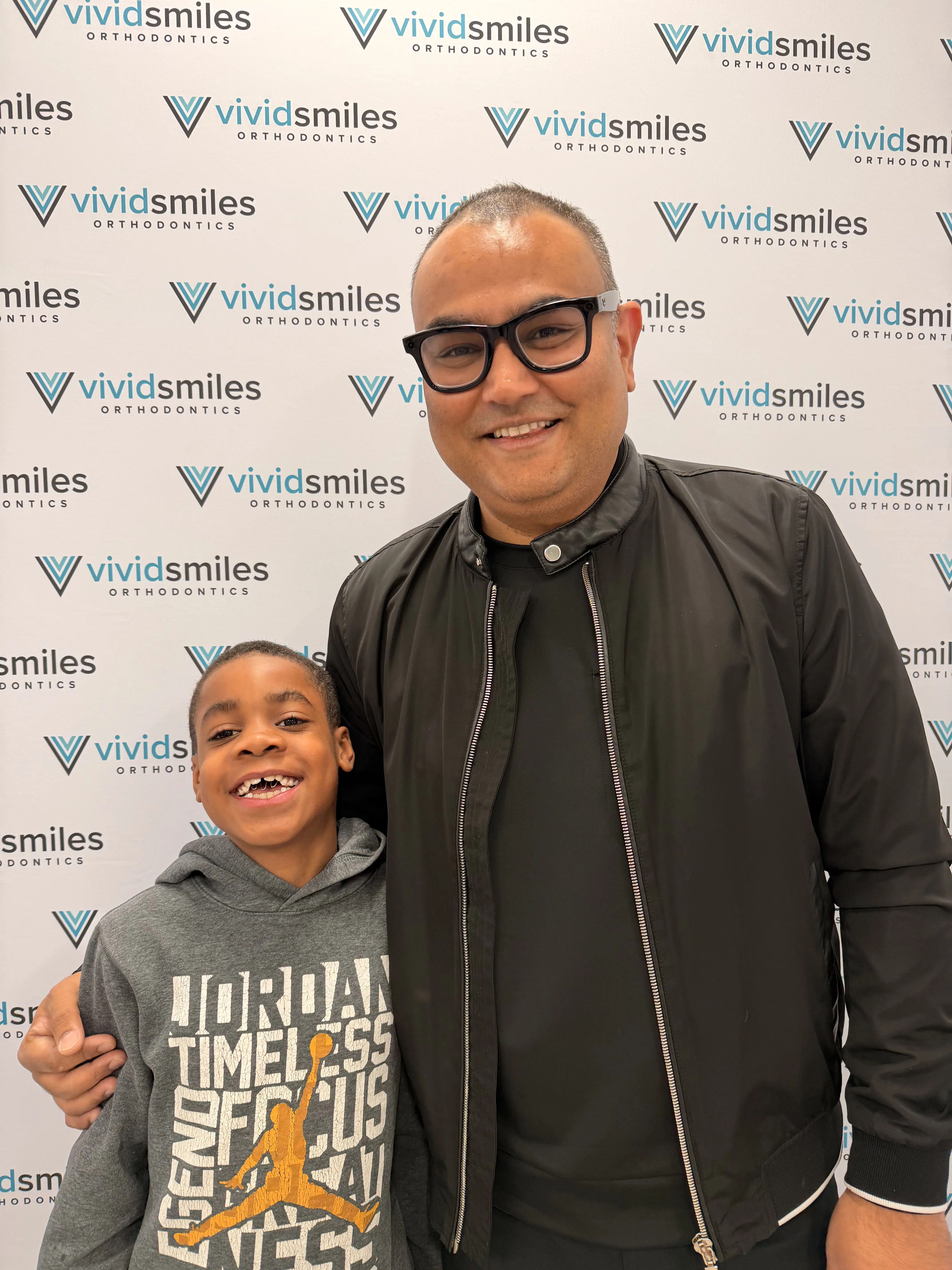
Braces That Fit Every Teen
High school schedules demand robust, reliable setups that stay resilient through physical sports and musical activities. Our teen brackets provide ultra-strong structural frameworks alongside subtle clear alternatives to suit every preference.
Why Teens Choose Braces:
- Establishes clear alignment frameworks before adulthood
- Durable design supports active lifestyles and athletics
- Versatile color choices or low-profile translucent tracks
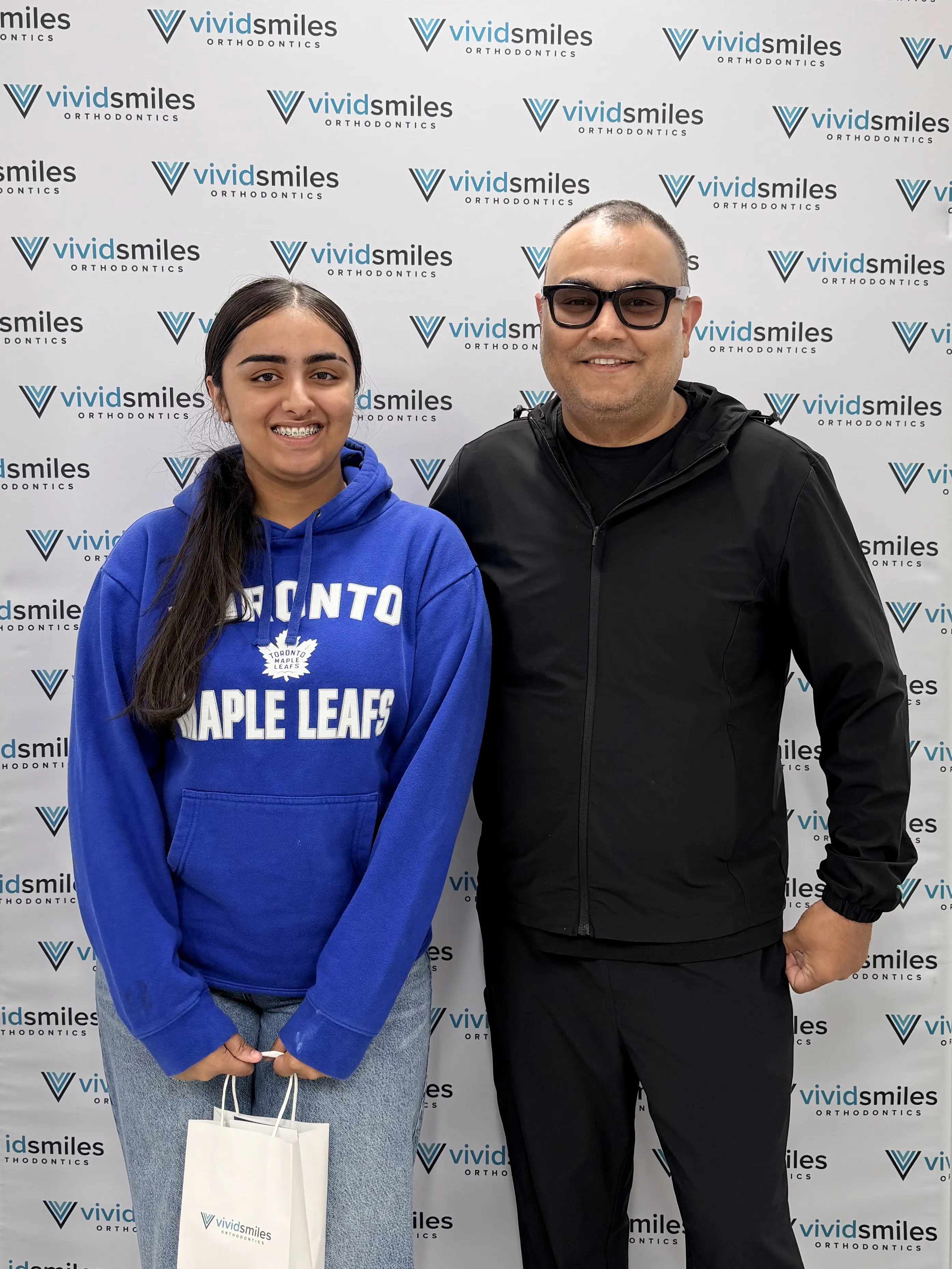
Discreet Option for Professional Lifestyles
Orthodontic transformations are increasingly popular for adult professionals seeking enhanced alignment. With low-profile ceramic brackets or advanced passive tracking systems, you can achieve beautiful alignment while keeping a natural look in corporate environments.
Mature Alignment Adaptations:
- Discreet materials that blend seamlessly in corporate settings
- Provides stable support for long-term jaw structure and health
- Flexible, streamlined check-up tracking schedules
Patient FAQ